
Creatures of Darkness: Vampires, Cold Climates, and the Polar Night
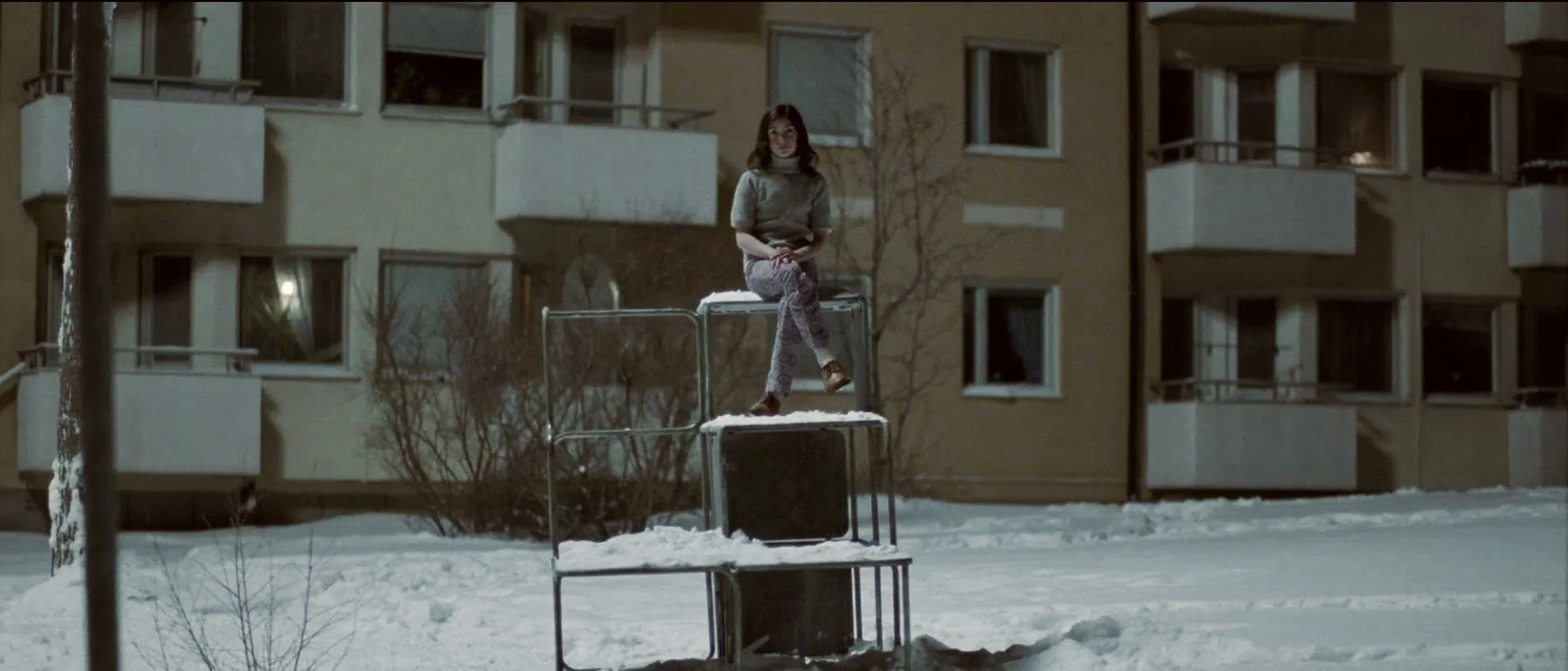
Let the Right One In (2008)
It’s common to picture vampires wrapped in shadow, in fog, in the grey cold of Eastern or other parts of Europe. Vampire folklore originated there and in and Slavic stories, where the dark and cold can be found. As creatures of the night that makes sense.
A cold Gothic European creature who thrives in the absence of light and needs to feed on human blood? Nowhere on earth makes that easier countries with long nights in the northern hemisphere.
Despite my obvious adoration for tropical vamps, a la my own Sarina, and the gang from Charlaine Harris’ Sookie Stackhouse book series or the True Blood TV series based on it, I also have a thing for snowy settings. To get to my dream cold setting let’s go through a couple of classic vampire films.
Dracula: classic vampire
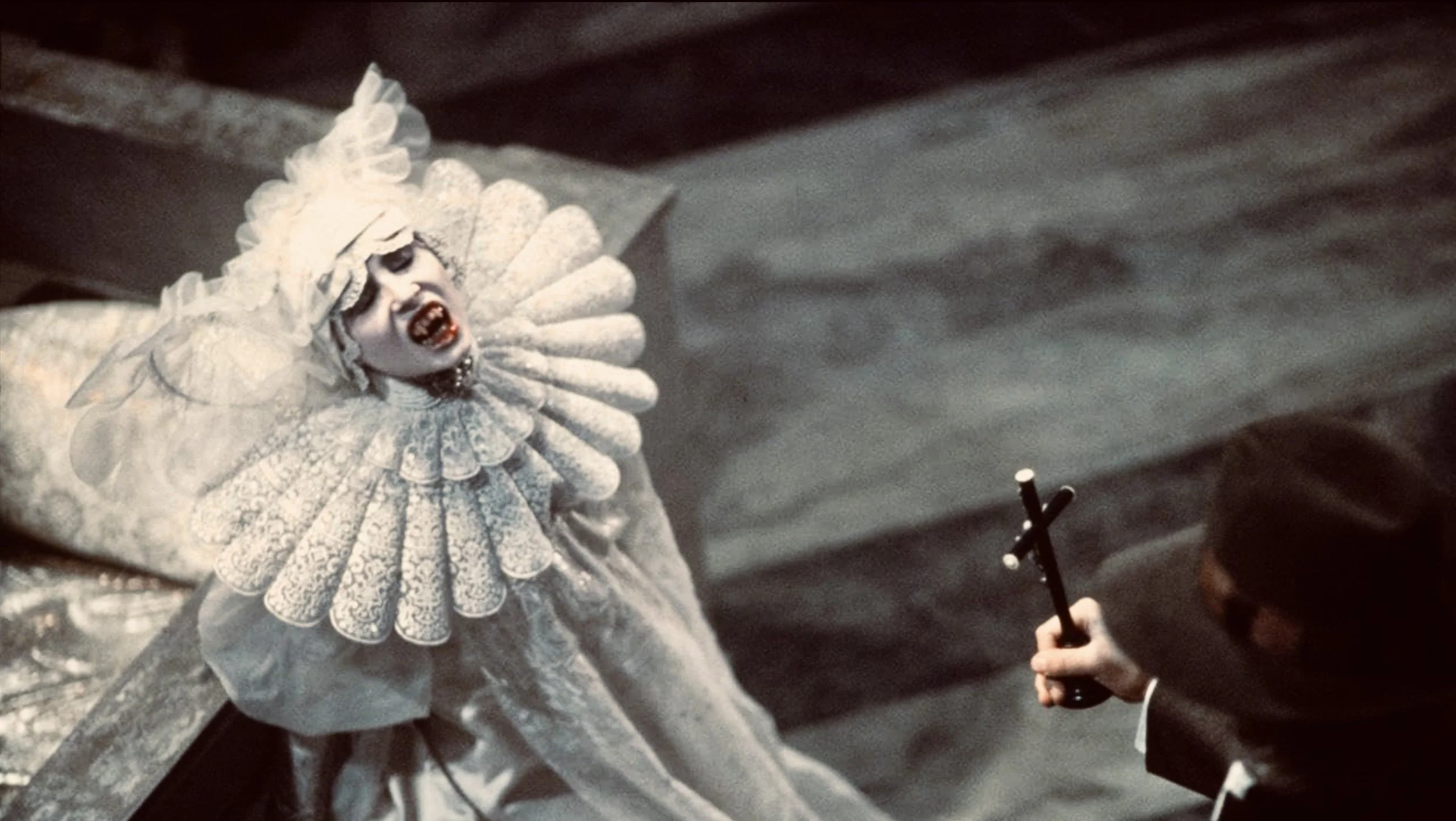
Dracula (1992)
Bram Stoker's Dracula isn't a deep snow story, but it's absolutely a cold one — and it’s quintessential to the vampire genre. The film might be part romance, but it also serves bleak and forbidding. The setting offers a deep Gothic atmosphere that is perfect for instilling that rippling concern that you want to feel in a horror film. The locals in the area cross themselves and refuse to speak, while wolves howl through the night, and the darkness presses in.
The adaptation of Bram Stoker’s novel by Francis Ford Coppola really leans into frigid darkness in one of its later scenes as hunters chase Dracula's carriage around winding roads in a snowbound mountain landscape. They try to reach him before the sun sets, meanwhile the snow continues to fall gently. It's beautifully cinematic.
The harsh environment isn't hostile to the vampire. In vammpire lore, they remain mostly unaffected by it. But when the snow intersects with that darkness, it’s a beautiful alignment for a creature that preys on humans and who is unable to function in light.
A little aside, I remember the very night I saw Bram Stoker’s Dracula. I was young and attended a midnight showing for the new film at the Maroochydore Cinema. If I remember correctly, outside it was hot and humid. Haha.
Let the Right One In: when darkness becomes a life
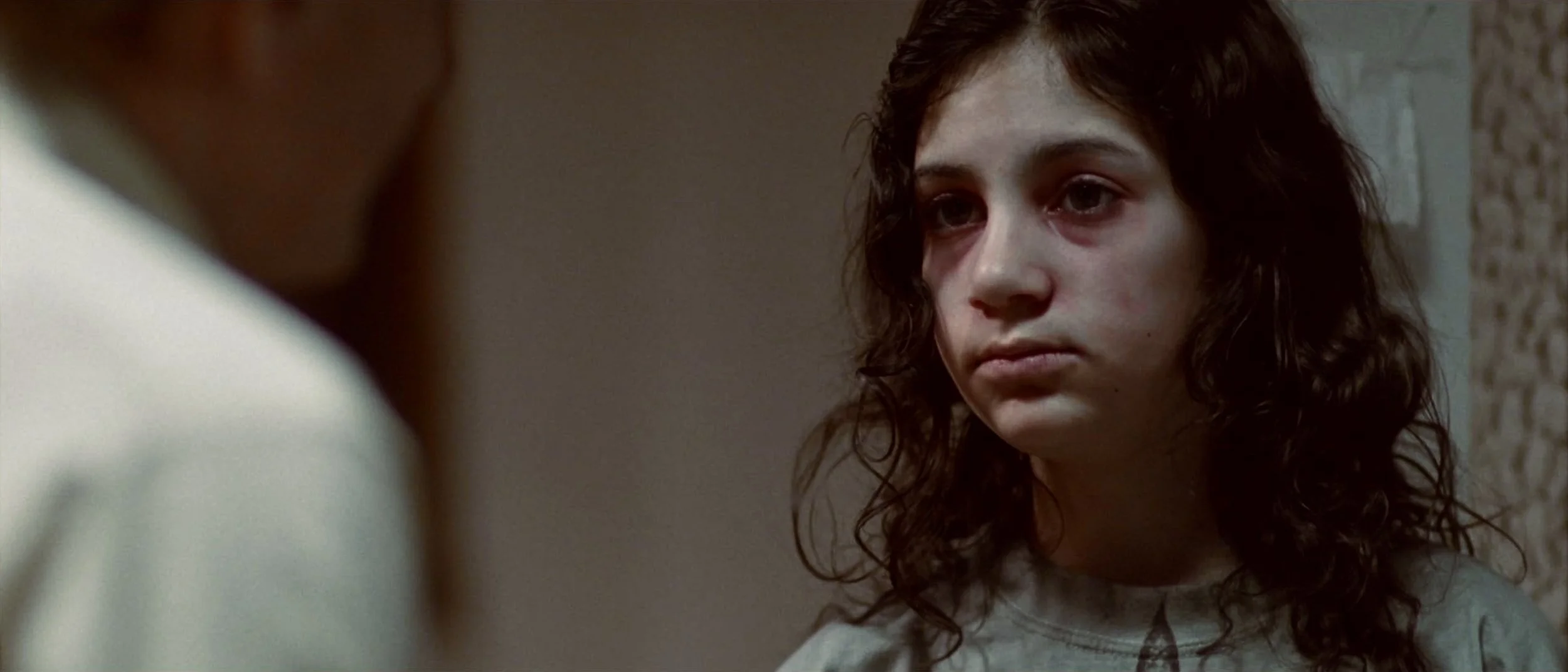
Let the Right One In (2008)
Let the Right One In is based on John Ajvide Lindqvist's novel of the same name and published in 2004. It’s set in a suburb of Stockholm, in the early 1980s. It’s not quite the polar-level of drama that I adore, but it’s set in a Swedish winter which means short days, long dark nights, and seemingly endless cold. But this film is dark in ways that go way beyond the setting.
For Eli, the vampire at the heart of the story, it’s enough. The darkness isn’t really about giving her a tactical advantage, but it makes her life liveable. She can go outside and exist in something close to a normal way, and she is able to build a friendship with a lonely, bullied boy named Oskar.
In this slow-burn film (by Tomas Alfredson) there is a quiet and heartbreaking vibe that is really disconcerting. Like the snow muffles events, and isolates people, and combined with the eerie aesthetics of it, it makes all the moments of violence feel more disturbing by contrast.
Matt Reeves directed an American remake, Let Me In, in 2010, which I still want to see. If you’ve watched it, let me know what you thought in the comments. I’ve seen it applauded and picked apart. 🤷🏻♀️
Lindqvist is an interesting writer — I enjoyed I Always Find You, for example - and he seems to understand the relationship with the darkness for a vampire and no doubt being Swedish, the cold is in his bones (cliché but I couldn’t stop myself). Perhaps the way the heat is in mine? I wonder sometimes how these climatic differences shape our personalities and the characters we write.
30 Days of Night: darkness as weapon
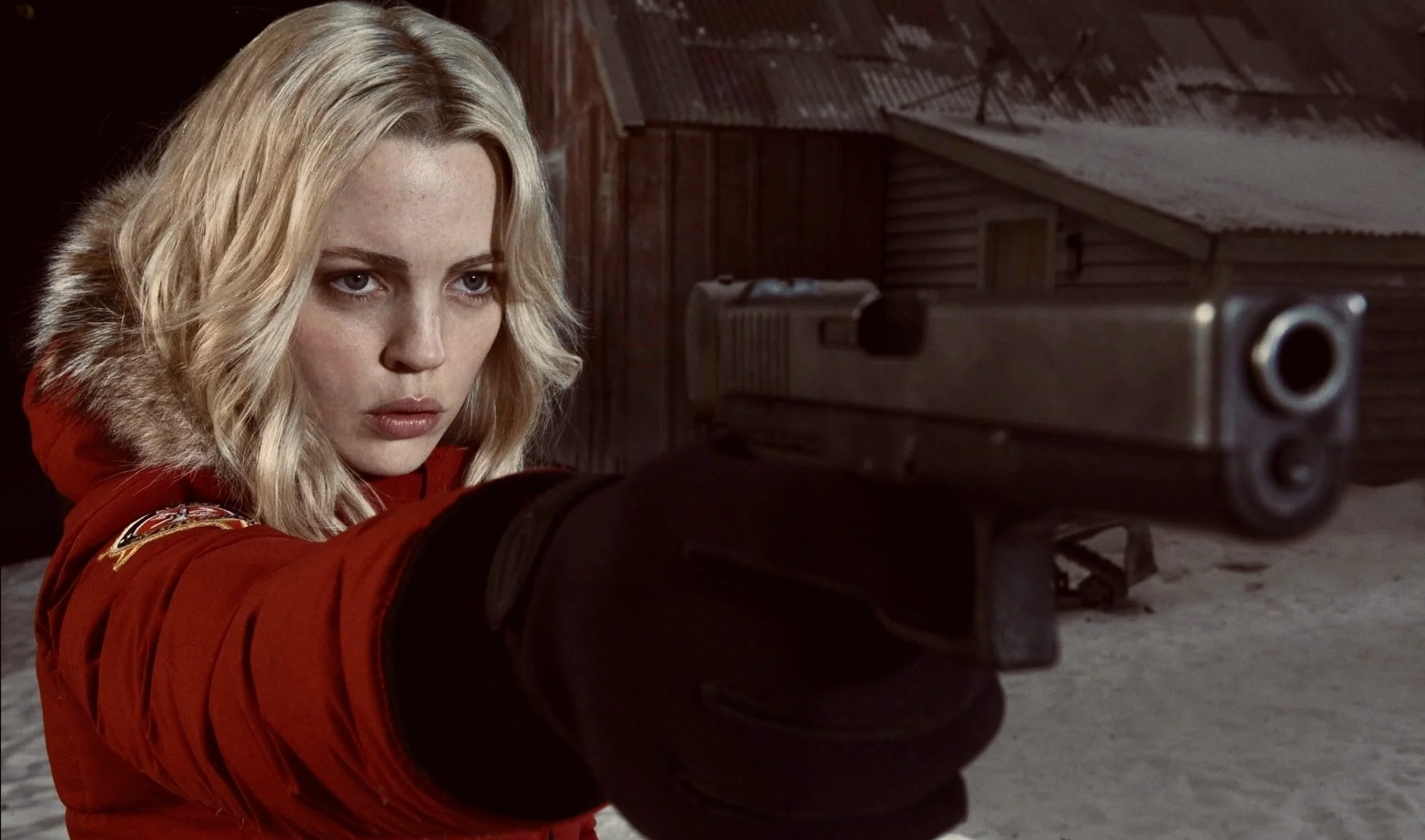
30 Days of Night (2007)
Now we arrive at the polar night and I feel excited when I think about this movie.
Steve Niles and Ben Templesmith created a comic miniseries 30 Days of Night (2002). I haven’t read it, but the logic they exploited - of the cold-climate vampire and the brutally simple premise I will explain below - is exquisite. And perfectly topped off by the polar night being factual!
Barrow, Alaska, the northernmost town in the United States,— experiences a full month of polar night each year. You know where I’m going with this don’t you?
Upon learning this, a group of ancient vampires descend on the town to feed at the perfect time. Thirty days with no sunlight. No breaks needed to hide from the sun. No weakness brought on by light. No hiding necessary. Oof.
David Slade's 2007 film adaptation captures it so well. These vampires are not elegant or seductive, either. They’re fearsome in looks and behaviour. They don't bother with charm. The environment has laid everything out for them and they’re more predator than monster in that Gothic sense. They are utterly indifferent to the humans they are hunting.
Ultimately the polar night doesn't just remove the vampire's vulnerability. It removes all seeming consequence as well. When there's no waiting for dark to descend or rushing to hide before dawn, they’ve had a gift handed to them. Of course, that’s not the full story. Humankind aren’t all going to lay down and let it happen. But the set up is so brilliant and incredibly exciting to watch play out.
What the cold is actually doing
The aesthetics of the snowy environment is something I’m drawn to, as I’ve said, but when you strip away the aesthetics, there’s an important pattern in the realm of vampire tales. Cold-climate vampire fiction and film works because it’s removing one of a vampires biggest existing vulnerabilities. The fact sunlight kills and they have to sleep all day! Unless you’re Edward Cullen. 😉
But place a vamp in the cold with extended darkness — or entire darkness — and suddenly that struggle they have against the background conditions, disappears, or at least is partially removed, isn’t it? Their surroundings suddenly support them rather than working against them.
It's an environmental horror logic that it took me an embarrassingly long time to become conscious of. That’s me, sometimes. But now I see it, I can’t un-see it.
So it seems that one of the ultimate and most exciting factors in cold-climate vampire stories isn’t the cold itself (even if the presence of snow is a bonus for me, personally). It’s the opportunity that comes out of the darkness lengthening and what that means for vampires as a species.
So all three movies are classics in the genre. All three were excellent in their own way. Though if I’m being honest, Let the Right One In was a hard watch. I know many people loved it but to me it felt so deeply lonely and depressing. On the other hand, 30 Days of Night seems so underrated to me because it plays so well on that beautiful, beautiful premise of vampires taking advantage of humans during the long nights in the Arctic circle.
Of course, as much as I love a snowy vampire setting, I write tropical ones. The Red Line is set in the heat and humidity of Queensland, where darkness is only part of the equation — and that changes what vampires can and can't do. I'll look at the undead in the heat in my next vampire post.
For now though — which of these three films do you love, and do you think the cold makes vampires scarier?
Morgan x