

From the Shadows into Society: Vampires through 9 novels.
Few monsters have proven as fascinating or adaptable as the vampire. They’ve been evolving since the Gothic fiction of early 1800s. Romantic heroes, conflicted vigilantes, metaphors for societal decay.
This post looks at nine vampire novels, beginning in the nineteenth century and culminating (cheekily) with my novel, The Red Line, published in 2024. It’s a huge topic which I can’t cover in depth in this post, but this gives an overview, highlighting that each story is a turning point in the imagining of vampires. Together these novels show why we can’t seem to let those bloodsuckers go!
Carmilla (1872) by J. Sheridan Le Fanu
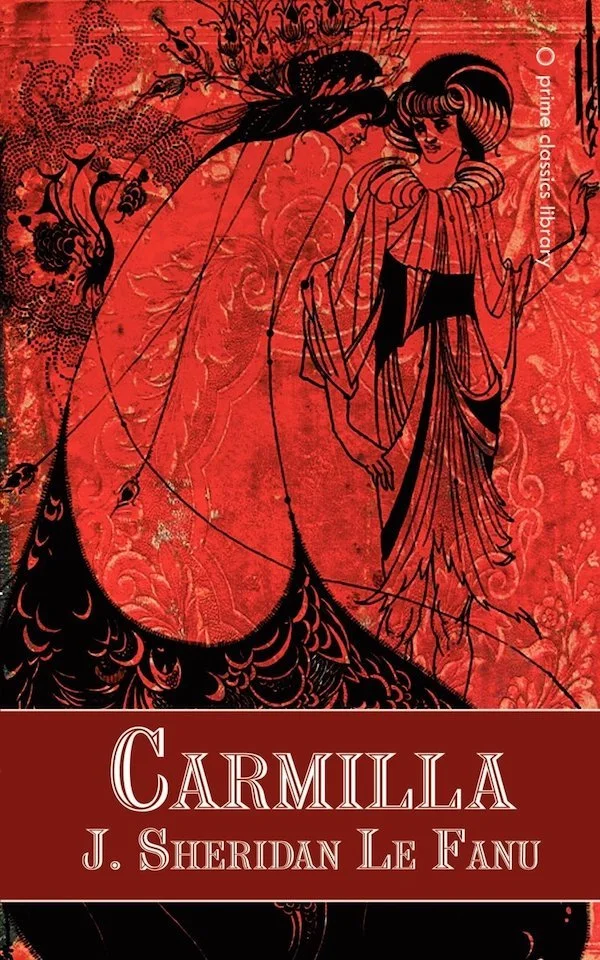
While not the first vampire story, this novella, published twenty-five years before Dracula, has a cult following. Despite remaining somewhat obscure, it’s hugely important to the genre. Carmilla follows Laura, a young woman who lives on an isolated estate, and has an intense relationship with the mysterious Carmilla, whose arrival coincides with a series of illnesses and deaths.
Carmilla brings an atmosphere of both intimacy and unease. Le Fanu’s vampire isn’t a monstrous invader, but a seductive, manipulative companion. The novella introduced tropes we now take for granted: the female vampire, eroticism blended with predation, vampirism as forbidden desire. Its influence is vast, particularly in framing the vampires of later works as objects of fascination, not just pure horror.
Dracula (1897) by Bram Stoker
You could make an argument that Dracula is the single most important novel in the genre. With multiple narrators, this epistolary novel tells the story of Count Dracula’s attempts to move from Transylvania to London and the people who try to stop him using modern ways and ancient folklore. Dracula’s motives (as far as I can recall, and my thoughts at the time) hinged on factors like a desire for expansion towards a bigger victim pool and perhaps even spreading vampirism.
Beyond the many classic vampire symbols (fangs and coffins, for example), the Dracula novel is believed to reflect Victorian period concerns over invasion, contagions, and the collapse of social boundaries. I find it interesting that those concerns have relevance even today. Since Dracula’s publication, many authors have either played further with the ‘danger of the vampire’ aspect or opposed it by humanising them.
Salem’s Lot (1975) by Stephen King
Stephen King’s Salem’s Lot brings the vampire to small-town America, a trope I always find enticing. The story has writer Ben Mears returning to Maine to find his hometown is succumbing to a vampiric infestation.
Instead of focusing on a single vampire, King shows how evil spreads through complacency, denial, and lack of courage as the normal and safe rhythms of life dissolve. The novel seems to ask, what happens when ordinary people choose comfort over confrontation? Again, it’s a storyline that seems to have real-world relevance today.
Interview with the Vampire (1976) by Anne Rice
With Interview with the Vampire, Anne Rice transformed the genre. The vampire Louis recounts his immortal life to a human interviewer. Turned against his will, he struggles with guilt over killing, grieves over his lost humanity, and battles with a search for meaning. The conflicted vampire is a beloved trope for many vampire fans, myself included.
Though it has been decades since I read it, this book was formative for me as a reader. In my teens, I was enamoured with the interview framework for storytelling. Such an intriguing idea, and it didn’t hurt that the vampires had an elegance about them.
Rice’s vampires are emotional and thinking creatures. Not pure hunters stalking humans in the darkness, but immortal beings trapped by their condition, trapped by time, memory, and … feelings. The shift from monster to protagonist changed vampire fiction forever. Louis was a vampire with whom you could empathise. The blurred line between predator and victim shaped other vampire portrayals.
The Vampire Lestat (1985) by Anne Rice
Louis was a brooding soul, but then Lestat burst out of Rice’s vampire world to retell the story of vampires with a sharper edge. Charismatic and more rebellious, he was a vampire who embraced immortality with enthusiasm and some drama.
Vampire mythology was expanded dramatically in The Vampire Lestat with ancient vampire histories. It’s not one of my favourite vampire tales, yet Lestat is an enjoyable character. Unapologetic. A bold antihero.
Dead Until Dark (2001) by Charlaine Harris
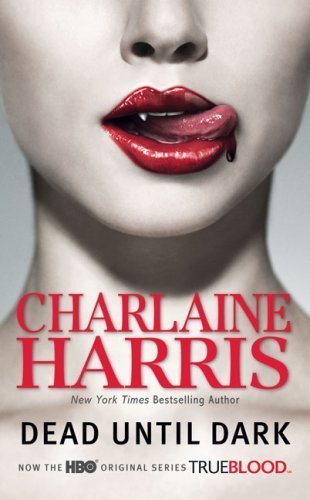
I believe saying that Charlaine Harris’s Dead Until Dark marked a shift in tone in vampire literature would be an understatement. Blending supernatural elements with mystery, romance, and Southern charm (and even a dash of cosiness juxtaposed by explicit scenes), it’s a difficult one to pigeonhole. But it remains an all-time favourite of mine and has been an enormous personal inspiration.
Set in a timeline where vampires have revealed themselves to humans thanks to the invention of synthetic blood they can survive on, the story follows Sookie, a telepathic waitress. Those are world-building and character details that are pure gold, in my opinion.
Instead of focusing on ancient lore, Harris explored the concept of modern coexistence between vampires and humans. With vampires portrayed as political minorities, the novel was a fun and sometimes humorous look at how the world could be if vampires were real. Vampires were also romantic interests, which I think helped paranormal romance go mainstream.
Let the Right One In (2004) by John Ajvide Lindqvist
Dark and violent, Let the Right One In is a disturbing reimagining of the vampire story. In the suburbs of Sweden, a bullied boy befriends a child who turns out to be a vampire who is centuries old.
Lindqvist really strips away the glamour found in books like Interview with the Vampire and Dead Until Dark until we’re left with violence and, frankly, an unsettled feeling about the relationship between the vampire and this child. It’s a disturbing modern vampire horror.
Twilight (2005) by Stephenie Meyer
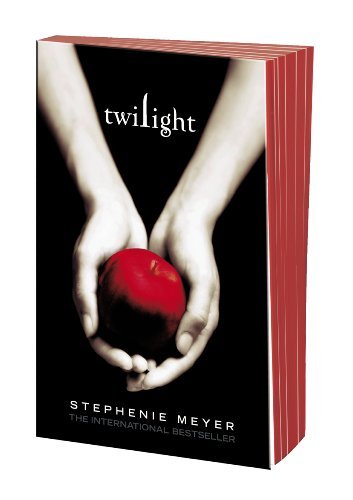
Few vampire novels have had the cultural impact of Twilight. Bella Swan, a human teenager, falls in love with the gorgeous and broody vampire, Edward Cullen. Meyer’s vampires are partially integrated into human society and instead of horror, Twilight offers romance with a side of danger.
Twilight has lovers, haters, and then those who love to hate it. But the book reshaped the genre again with a new contemporary example of vampirism. Plus, it influenced untold YA novels in particular in paranormal romance.
The Red Line (2024) by M. N. Cox

The Red Line is less well known, yes, but leads vampire fiction into another contemporary setting. This time adding a vampire detective, a vigilante thread, and a crime noir feel. Set in the late-1990s, it imagines a world where vampires exist openly but are tightly regulated by government departments. The protagonist is Sarina Massey, who works for the After Dark Department, enforcing laws around vampire feeding and investigating crimes committed by vampires.
There are genuine threats to the coexistence of these two species, but there’s also a subtext of conflicted loyalties: vampire instincts versus human ethics. The Red Line’s vampires aren’t all predators or romantic outsiders. Many are citizens bound by the consequences of living “out in the open”. It’s another distinct contemporary reinvention of the genre.
Vampire novels keep going strong
Looking at these novels, it seems like vampires have done it all. Likely they’ve survived with such popularity because of the writer’s ability to adapt them. In offering original stories that reflect changing societies and the fears and desires of life, whether eroticism or romance, the moral vampire or danger to humanity, vampires remain eternal as one of the most popular supernatural creatures to grace our pages as readers. I feel confident we’ll continue to see more fresh and interesting takes in future stories.
How do you feel about the titles I’ve used to illustrate? Or do you have a vampire recommendation? Let me know in the comments.
Morgan x