

Flash Fiction, First Prizes, and Finding My Feet (part one)
I had a feeling. My gut told me 2026 was going to be my year for short stories. It told me clearly enough that I'd been planning an Instagram post about it (just before I left Instagram). It was a cautiously hopeful little carousel about my dreams because I’m still finding my feet with short fiction. I held off. What if I was wrong and embarrassed myself?
What if I jinxed it?
I wasn't completely wrong, though. A few weeks back I won first prize in the Sunshine Coast Hinterland Writers Festival's flash fiction competition, and I was stoked.
I'm not going to dress it up. I did want that win. Not in a desperate way. Well, not that desperate. But I definitely wanted it.
Writers get knock-backs, it really is part of the deal. There are some things it pays to get used to and critique and rejection are two of those things. Cool, cool, cool. And you do get used to it for the most part. But it doesn't mean some wins sprinkled here and there aren’t encouraging and even instructive. Where does this piece of writing fit in Australian publishing in 2026? Well, if you win a competition with it, that tells you something about the track you’re on—for that piece, at least.
And I needed to get over the rejection hump I had forming around short stories.
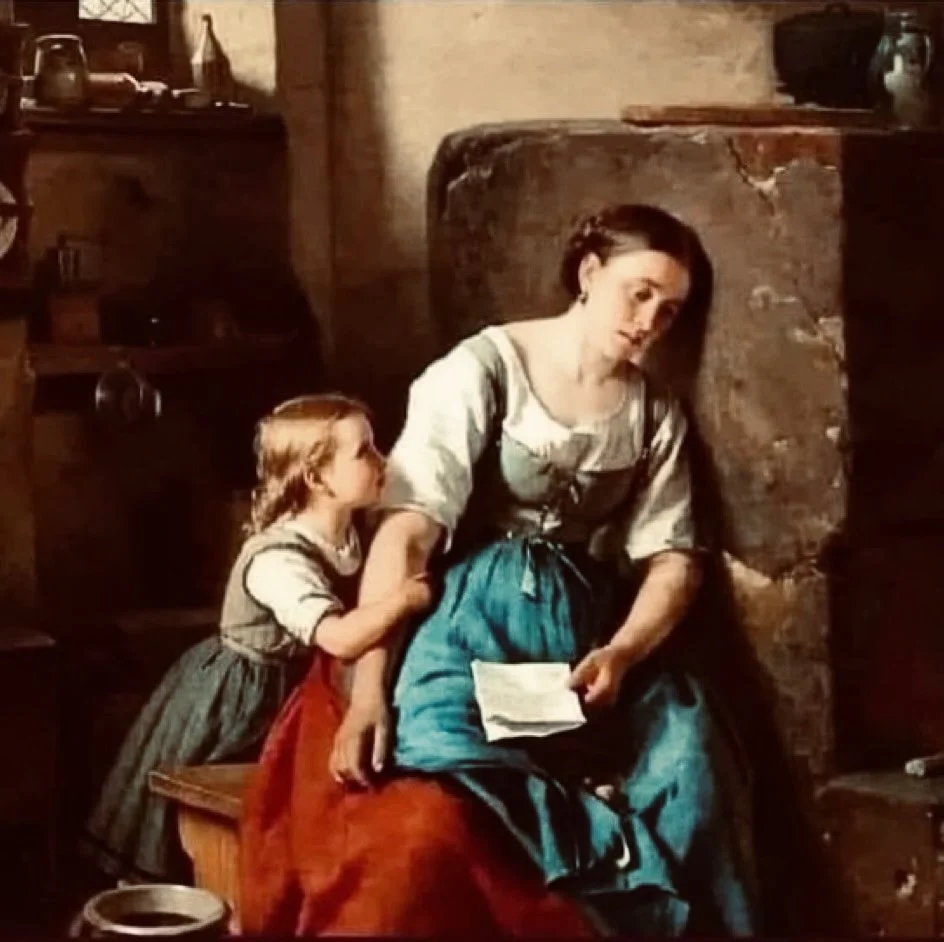
Photo of me dealing with rejection.
Short versus long fiction
Coming to shorties from novel writing (and I’ve recently found that’s not as unusual as I’d assumed), but I found the adjustment brutal. My fiction life, the one that produced the first Dora Hermansen and the North Queensland Vampire books, morphed out of failed memoir writing and into long-form storytelling with lots of space. Enough for the rookie mistakes, as well as the good stuff. Room to try things out and build, particularly as writing a novel occurs over such a long time period.
Keep in mind no one was teaching me but me. I was a reader — for enjoyment’s sake — who started writing and learning through trial and error. Then I interspersed some helpful workshops (Jack Roney, Kathy George, etc). Then, when I had already published one novel and was well on my way to publishing the second one, I thought I’d try my hand at compressing a full story arc into around 2,000 words. It does seem most competitions in Australia are either for micro/flash fiction or under or around 2-3000 words. I realised almost immediately that it wasn't just a shorter version of the same skill. It felt entirely different!
My first short story was a struggle but I pushed through and ended up reasonably happy with what I had done. But "happy with it" and "it was good" are not the same thing, and I knew that even then. I was writing blind because I didn't have the framework to know whether The Forest (which never has been published by the way) worked. I recognised what I had done with the plot because I chose to do it, but I didn’t know if it was “acceptable”, and, honestly, I probably wasn’t well read enough in short fiction.
I had long wished for a mentor but wasn’t able to find the right person. I have worked with editors, though. One pass on one or two of those early stories, is far from the ongoing back-and-forth that would have been a deeper learning experience for me. Editing is expensive. That’s a reality, not a gripe at editors. But if you’re an author paying your own way ... reality smacks into you.
Most writers have friends who'll read their work if asked. Not many have friends who'll feel comfortable or able to critique it. A writing group focused on short fiction can fill that gap, if you find the right one. I had a novel writing group early on that was genuinely useful. I feel fortunate (Noosa Writers 👌🏻). They really got me started and taught me a lot about the current expectations in novel writing.
But for a long stretch, I was largely figuring it out alone when it came to short stories. I'd write in bursts, occasionally enter competitions, not win, and because most competitions don't offer feedback (they really can’t, it’s dreadfully time consuming) I’d be left guessing. Was it bad? Was it just up against something better? Was it almost there but missed something specific I hadn't learned to see yet? It could have been any of those explanations. But possibilities weren’t particularly useful when I was sitting there alone with my story and one thousand questions.
What did help, over time, was putting distance between the writing and the reading. Coming back to an old story with fresh eyes is uncomfortable and enlightening. You see things you couldn't see before and, in the absence of money or a mentor (well, most mentors cost money too), it's one of the best tools I've found. Recently I went back and reworked a couple of early pieces (the ones mentioned above). The gap in my perception, or judgment, of the writing itself, was significant enough to give me something to rework.
Pushing yourself to write, write, write
In the last year I've pushed myself harder (technically speaking early last year, then a break when I moved house, etc, and now back to writing). I’ve written more new stories and done something I resisted for a long time: written to competition themes. I hated the idea of that. Passionately. It felt constraining in a way that made me not want to take part. I felt like ‘I can’t do this,’ but honestly, more so, ‘I don’t want to’. And now I'll freely admit I was wrong to resist it, because pushing myself to write with the impositions of theme constraints has taught me a lot.
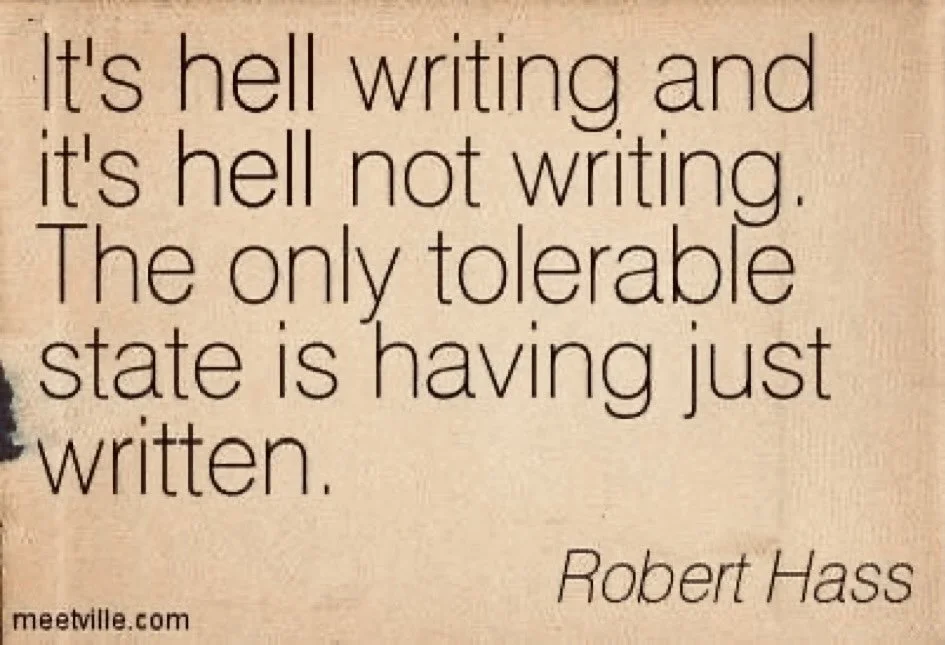
I also finally finished a literary horror piece I'd been messing around with since February 2023. ‘This was her room. Her vertical blinds let thin stripes of light enter, while the little window in the attached ensuite had long been taped over with paper. Her computer sat on the otherwise empty desk — her line to outside.’
I'd started it twice before and both attempts went sideways. I thought the basic idea was solid but I couldn't get the execution right. Finally it clicked. I submitted it to a magazine. It wasn't selected and that's okay. It exists now, it taught me something, and that's good. #writerlife
I have ended up writing so much about short story writing that I’m breaking it into two parts. Irony. It turns out that I quite enjoy sharing my inner thoughts on these things.
Morgan x